Painter Silhouette Graphics for Editorial & Web Design
A Designer’s First Impression: Clean, Universal, and Clickable
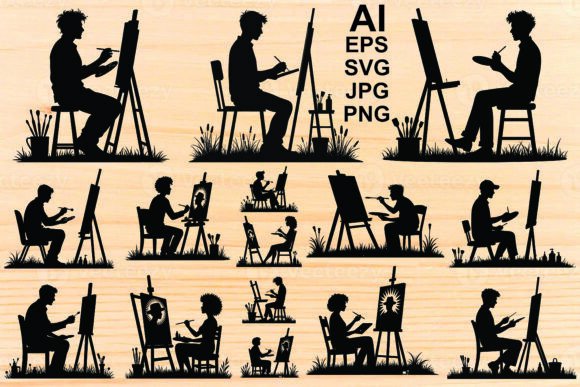
When a design asset lands in my inbox for a publishing project, my first question is always about mood. The Painter Silhouette Vector Bundle immediately communicates a sense of serene, outdoor creativity. The clean white background and minimalist silhouettes of artists at their easels create a visual space that feels both artistic and accessible. This isn’t a noisy, overly decorative set; it’s a focused, versatile toolkit. The style leans lifestyle-focused and educational, perfectly supporting content niches around art tutorials, creative hobbies, outdoor inspiration, mindfulness, and entrepreneurial passion projects. It doesn’t scream “corporate”; it whispers “creativity,” which is exactly what builds reader trust in those niches.
Building Editorial Moods and Reader Perception
Using these silhouettes, you can instantly set a tone. A solitary painter standing before a canvas evokes focus and dedication. A sitting artist amidst gentle reeds suggests peaceful, natural inspiration. This bundle allows you to visually say, “This content is about the process, the quiet moment of creation, the hobbyist’s joy,” without writing a single word. For a blog or digital guide, that visual cue is powerful. It tells the reader they’re in the right place before they even start reading, strengthening category recognition and making your entire site feel more cohesive.
The Real-World Publishing Workflow: From Blog Post to Pinterest Pin
Let’s walk through a real Monday morning. I’m preparing a blog post about “Starting a Watercolor Hobby.” My workflow needs several visuals: a featured image for the article, a taller Pinterest pin graphic, a banner for my newsletter promoting the post, and a simple graphic for a downloadable worksheet companion. The Painter Silhouette Vector Bundle serves all four.
- The featured image uses the standing artist silhouette as a strong left-aligned anchor, with my headline text cleanly over the white space on the right. The visual hierarchy is clear.
- The Pinterest pin stacks the sitting artist and easel elements vertically, creating a narrative flow that’s perfect for Pinterest’s visual search.
- The newsletter banner crops tightly on the canvas and palette detail—it’s instantly recognizable as “art content” even in a crowded inbox.
- The worksheet uses a small, subtle brush silhouette as a decorative accent in the footer, polishing a simple PDF into a branded lead magnet.
This consistency across platforms makes my content marketing feel professional and planned.
Where These Graphics Maximize Content Performance
The true value of a graphic design asset like this is in supporting performance metrics we care about: clicks, trust, and retention.
- Stronger First Impression: A clean, thematic hero image stops the scroll. It tells the visitor the content is polished and relevant.
- Better Click-Through Potential: On social media or in affiliate content, a graphic showing a person engaged in an activity (like painting) is more inviting than a plain text box.
- More Consistent Branding: Using the same silhouette style across your blog graphics, digital guides, and social media previews builds a recognizable visual identity, even for a small business.
- Improved Reader Trust: Professional-looking editorial design signals that you’ve invested in your content. Readers subconsciously assign more authority to it.
Prime Placement: Hero Images, Thumbnails, and Digital Products
This bundle shines in specific, high-impact locations:
- Website headers or article introduction sections.
- Article thumbnails in category grids or related post lists.
- Tall, vertical Pinterest pins designed for discovery.
- Editorial accents beside pull quotes or section breaks in long-form content.
- Cover graphics for downloadable resources, like eBooks or media kits.
- Background or icon elements in Canva templates you create for your audience.
- Newsletter headers to visually define an edition’s theme.
A Note on Careful Application
Even versatile assets have limits. Use the Painter Silhouette Vector Bundle thoughtfully. The fine lines of the reed details or brush tips might become indistinct in very small mobile thumbnails. On a text-heavy blog image, ensure the silhouette doesn’t clash with your headline font—test it with both a clean sans-serif and a elegant script. Avoid placing it on low-contrast backgrounds; its power comes from its crisp, white-background definition. It might feel too gentle for very serious, corporate financial content, but it’s perfect for the creative entrepreneur space.
Practical Publisher Notes Before You Hit Publish
Before integrating this into a live project, run these quick checks:
- Preview the graphic on a real blog layout dummy, both on desktop and mobile screens.
- Check how it looks as a 150x150 pixel thumbnail in your latest posts widget.
- Overlay your typical headline text on it. Does the contrast and readability hold up?
- Try a version in pure black and white for a different, bold editorial mood.
- Place it beside your common font styles to ensure visual harmony.
- Review the file size. For web performance, always compress final images properly.
- And crucially, confirm the commercial license covers your use, especially for monetized websites, affiliate pages, or paid digital products you create.
The Final Design Verdict for Content Creators
The Painter Silhouette Vector Bundle is a quietly powerful tool for publishers. It solves a common problem: needing a professional, thematic visual without the time or cost of custom illustration. By depicting the act of creation itself—the artist, the easel, the outdoor setting—it supports content that aims to inspire, teach, or celebrate a creative hobby. For bloggers, affiliate marketers, and online educators building resources around art, creativity, lifestyle, or mindful hobbies, these graphics offer a shortcut to a polished, trustworthy, and click-worthy visual system. It’s not just an illustration; it’s a building block for your entire content’s visual communication.